
Life in Hawaii invites movement. Early morning runs along Kapiolani Park, canoe practice on the Ala Wai, weekend surf sessions on the North Shore, and long hikes up ridgelines are part of what makes island living so rewarding. Yet many active people quietly deal with a problem they rarely discuss: leaking during a run, a sudden urge to find a bathroom mid-paddle, or a feeling of heaviness after a hard workout.
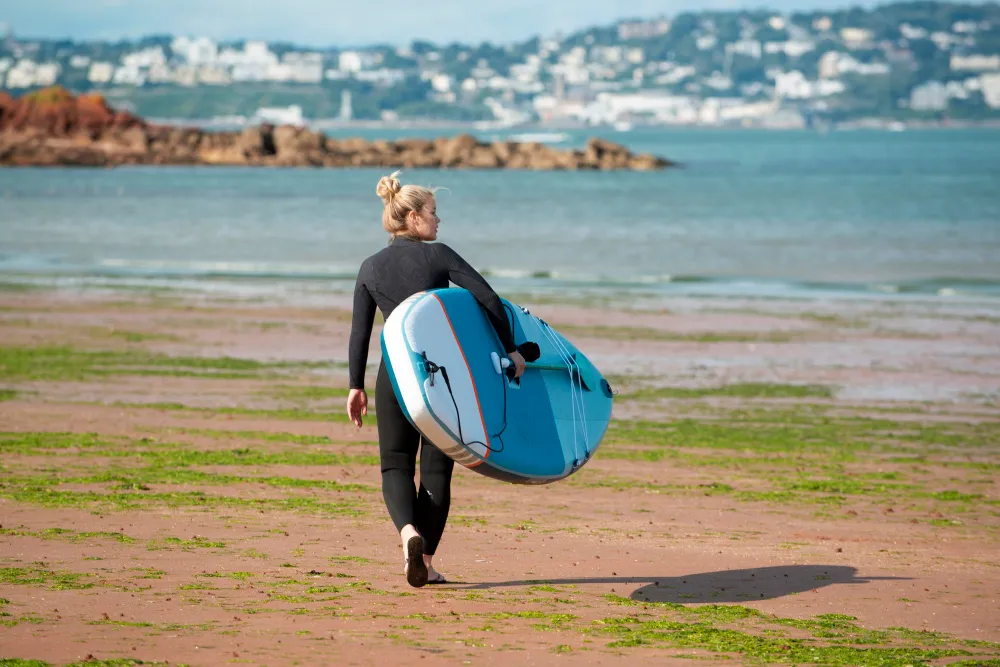
These symptoms are common, but they are not something you simply have to accept. Your pelvic floor is a group of muscles that works hard during every sport you love, and like any muscle group, it responds well to awareness, training, and the right support. For many athletes, exploring the pelvic floor therapy Hawaii athletes can access close to home becomes the missing piece that lets them keep doing what they enjoy with confidence.
What the Pelvic Floor Does During Exercise
The pelvic floor is a hammock of muscles stretched across the base of the pelvis. It supports the bladder, bowel, and, in women, the uterus. It also works closely with your diaphragm, deep abdominal muscles, and the small muscles along your spine to manage pressure inside the abdomen.
Every time you land on a stride, brace against a wave, or pull hard on a paddle, pressure inside your abdomen rises. A healthy pelvic floor responds automatically, tightening at the right moment to keep everything supported and sealed. When those muscles are weak, fatigued, poorly coordinated, or even overly tight, that timing breaks down. The result can be leaking, urgency, pelvic discomfort, or lower back pain.
How Island Sports Put Pressure on the Pelvic Floor
Each activity places its own unique demands on this area of the body.
Running and Hiking
Running is a high-impact sport. With every step, the body absorbs forces several times your body weight, and the pelvic floor has to respond thousands of times during a single run. Downhill sections of a hike add even more impact. Leaking during running is one of the most common forms of stress incontinence in active women, and fatigue late in a run often makes it worse.
Paddling
Outrigger canoe paddling, stand-up paddleboarding, and kayaking rely heavily on core rotation and bracing. Many paddlers unconsciously hold their breath during powerful strokes. That breath-holding drives pressure downward onto the pelvic floor. Over time, repeated straining without proper coordination can contribute to weakness or a sense of pelvic heaviness.
Surfing
Surfing combines explosive pop-ups, long periods of paddling while lying prone, and sudden bracing when a wave hits. The quick transitions and repeated core loading challenge the pelvic floor to react fast. Cold water and long sessions can also increase bladder urgency for some surfers.
Signs Your Pelvic Floor Needs Attention
Pelvic floor changes often appear gradually. Pay attention if you notice:
- Leaking when you run, jump, cough, sneeze, or lift
- A strong, sudden urge to urinate during or after exercise
- Needing to plan workouts around bathroom access
- Pressure or heaviness in the pelvis after activity
- Pelvic, hip, or low back pain that does not improve with rest
- Discomfort with intimacy
These symptoms affect people at every age and fitness level. Women who have given birth and those going through perimenopause or menopause are especially likely to notice changes, but men can experience pelvic floor problems too, particularly after prostate concerns or years of heavy lifting.
Practical Ways to Protect Your Pelvic Floor
The good news is that small, consistent habits can make a meaningful difference.
Coordinate Your Breath
Try exhaling during the hardest part of a movement, such as the drive phase of a paddle stroke or the push of a pop-up. Exhaling as you exert helps the pelvic floor and deep core work together instead of being pushed downward by trapped pressure.
Train Strength and Relaxation
Pelvic floor exercises help many people, but strength is only part of the picture. Some athletes, especially runners and paddlers, actually carry too much tension in these muscles. A balanced routine includes both strengthening and learning to fully relax the pelvic floor between efforts.
Build a Strong Foundation
Your hips, glutes, and deep abdominal muscles share the load with your pelvic floor. Exercises like bridges, side planks, and controlled squats support better mechanics across all island sports.
Increase Training Gradually
Jumping quickly into longer runs, bigger surf, or more intense paddling sessions can overwhelm muscles that are not ready. Gradual progression gives your body time to adapt.
Support Your Bladder Through Nutrition
Staying hydrated in Hawaii’s heat is essential, and cutting back on water to avoid leaks often backfires by concentrating urine and irritating the bladder. Instead, sip water steadily throughout the day and notice whether caffeine, alcohol, carbonated drinks, or artificial sweeteners make urgency worse.
Address Constipation
Regular straining during bowel movements places significant stress on the pelvic floor. A fiber-rich diet with local vegetables, fruit, and whole foods, along with good hydration, helps keep digestion comfortable.
When Exercises Alone Are Not Enough
Many active people do their pelvic floor exercises faithfully and still notice symptoms. That is often because these muscles are hard to feel, and it is easy to squeeze the wrong muscles without realizing it. Weak or fatigued muscles also struggle to produce strong enough contractions to rebuild strength efficiently.
Non-invasive electromagnetic pelvic floor therapy offers another option. You sit fully clothed on a specialized chair while focused electromagnetic energy stimulates deep pelvic floor contractions. A session requires no downtime, so you can return to the beach, the trail, or the water the same day. Many people find that this therapy helps them reconnect with these muscles, making their own exercises more effective.
Keep Doing What You Love
Your pelvic floor should support an active island life, not limit it. With smarter breathing, balanced training, good nutrition, and targeted support when needed, most people can continue running, paddling, and surfing with comfort and confidence.
A personalized approach makes the biggest difference. Dr. Diana Joy Ostroff and the team at the Center for Natural Healing Hawaii take a whole-person view of movement, recovery, and pelvic health, helping active patients build a plan that keeps them strong in the water, on the trail, and in everyday life.