
A medical director for med spa operations plays an important role when beauty services involve medical decisions, prescription products, and patient safety. Botox, fillers, and laser procedures require more than technical skill. Practices also need appropriate clinical assessment, clear staff responsibilities, documented protocols, and a plan for complications. These safeguards matter at every stage of growth.
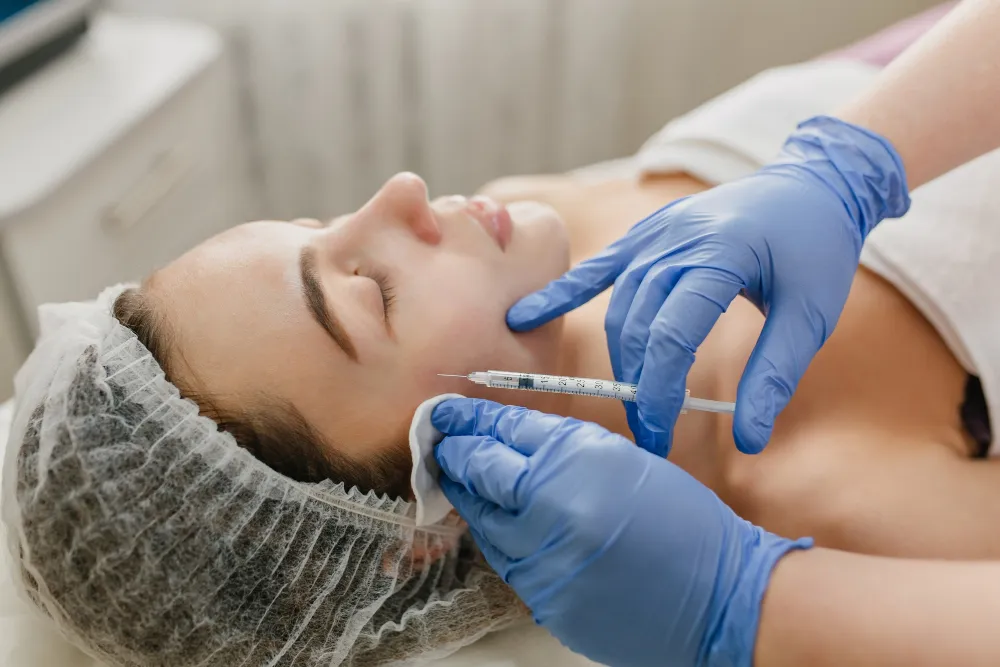
For owners comparing physician oversight options, the right arrangement depends on the state and the services provided. A medical director for med spa partnership should support real clinical accountability, not just a physician’s name on a contract. This guide explains what to check before choosing a structure or provider.
Key Takeaways
- Medical aesthetics includes clinical decision-making, so oversight must be operational rather than a name-only agreement.
- Botox and filler services need appropriate assessment, professional authority, informed consent, and a complication response plan.
- Licensing, delegation, and practice ownership rules differ by state and by treatment type.
- A documented team workflow helps RNs, NPs, PAs, physicians, and estheticians understand their lawful roles.
- An effective physician partnership supports protocol reviews, training, escalation, and responsible business growth.
What Makes Medical Oversight Essential for Cosmetic Treatments?
A medical director for med spa operations provides a framework for turning popular beauty treatments into appropriately supervised clinical care. Botox injections, fillers, certain laser services, and other medical aesthetic procedures may appear routine on a treatment menu, but they involve patient assessment, professional judgment, prescription products, and the possibility of complications. The clinical decisions behind these services deserve the same attention as the procedure itself.
Effective oversight begins before a client enters the treatment room. The practice needs a lawful process for determining whether a patient is an appropriate candidate, identifying contraindications, obtaining informed consent, and deciding which licensed professional may carry out each step. The physician’s responsibilities should be specific to the services offered and the governing state requirements. A title on a website or a signature on a general agreement does not replace those responsibilities.
This matters commercially as well as clinically. An attractive brand can bring someone through the door, but clear medical policies help the team deliver consistent service, respond to questions, and avoid unsafe shortcuts during busy periods. Owners should be able to explain who makes clinical decisions, who reviews concerns, and how employees receive updated direction when the treatment menu changes. Those answers show whether medical oversight is part of daily operations rather than an administrative formality.
Why Botox and Fillers Need More Than Technique
Botox and dermal filler treatments require more than an injector who can follow a set of technical steps. Both involve medical assessment, an understanding of anatomy, careful product selection, patient counseling, and recognition of adverse effects. Botulinum toxin products are prescription drugs with important warnings, while filler injections can cause serious complications, including unintended injection into a blood vessel. Staff must know the limits of their competence and the process for getting prompt clinical help.
A well-designed treatment pathway defines how the patient is evaluated, which clinician is authorized to prescribe or order a product, and when an injection should be postponed or declined. It should also cover product sourcing, storage, documentation, post-treatment instructions, and escalation for unexpected symptoms. The medical director or collaborating physician may help develop or approve these systems, depending on the legal and professional role established for the practice.
Oversight should never be treated as permission to skip training or work outside a license. An RN, for example, still needs to follow nursing scope rules and any applicable orders, protocols, and supervision requirements. Similarly, no cosmetic provider should promise results that cannot be reasonably guaranteed. Training, patient selection, and communication work together: the safest approach is not merely to perform a treatment successfully, but to know when not to perform it and how to respond if a patient needs further care.
Who Can Perform Med Spa Procedures Under a Medical Director?
A medical director for med spa services cannot simply authorize any employee to perform every procedure on the menu. The answer depends on state law, the person’s professional license, the exact treatment, required orders or prescriptions, and the supervision or delegation arrangement. Different rules may apply to RNs, nurse practitioners, physician assistants, estheticians, and unlicensed staff, even when they work within the same facility.
For example, California’s medical board distinguishes medical cosmetic procedures from ordinary beauty services and has specific limits on who can inject botulinum toxin or operate certain laser equipment. Other states use different delegation structures and conditions. This variation means that training certificates and years of experience are important evidence of competence, but they do not independently create legal authority to provide a service.
The most practical step is to map each treatment to its required clinical tasks. Who assesses the patient? Who decides whether treatment is medically appropriate? Who prescribes or orders the product? Who performs the procedure? Who provides follow-up care? Those roles should be written down, reviewed with qualified legal and clinical advisers when needed, and reflected in staff orientation. When responsibilities are clear, a clinic can protect patients and employees while still giving qualified team members meaningful opportunities to develop their skills.
How Should RNs, NPs, PAs, and Estheticians Divide Responsibilities?
A med spa team works best when each professional understands both their authorized activities and the handoffs between colleagues. Registered nurses may be able to administer certain medical aesthetic treatments pursuant to lawful orders and supervision, depending on the state. Nurse practitioners and physician assistants may have broader assessment and prescribing authority, but their independence and collaboration obligations vary by jurisdiction. Estheticians generally focus on nonmedical skin-care services within their own licensing rules.
Owners should avoid designing the staffing model around a job title alone. The same task can involve several distinct decisions, including evaluating the patient, selecting the treatment, obtaining an order, administering the product, and handling follow-up concerns. A written workflow makes clear which professional owns each decision and when a matter must be escalated to a physician or other authorized clinician. It also helps staff explain the patient’s care team without overstating credentials.
Consider a client who arrives for an injectable treatment but reports a new symptom or an unexpected medical history detail. The team’s responsibility is not to keep the appointment moving at all costs. Staff should know when to stop, gather relevant information, and obtain a clinician’s assessment before proceeding. The medical director’s value becomes visible in these routine judgment calls. Clear boundaries reduce confusion and support a respectful workplace in which clinical safety takes priority over sales targets or appointment volume.
Where Do State Rules Change the Med Spa Business Model?
Medical director for med spa requirements must be evaluated in the state where the business actually operates. Rules may govern who can own the professional practice, whether a physician can be employed by a nonphysician business, how medical procedures are delegated, and what a supervising clinician must do. The arrangement that works for a clinic in one state may be unlawful or incomplete in another.
Ownership is a particularly important issue. Some jurisdictions impose corporate practice of medicine restrictions that limit nonphysician control of medical services. California, for instance, warns that a lay-owned spa cannot make an otherwise impermissible clinical business model lawful merely by contracting with a doctor called its medical director. Clinics may need a different professional entity and management structure, depending on the state. That is why selecting a physician should follow, not replace, a review of the proposed business model.
Before launching or expanding, owners should review the relevant medical, nursing, and cosmetology board rules alongside applicable licensing, privacy, advertising, and business requirements. Changes to a treatment list can trigger new questions about prescribing, delegation, equipment, and staffing. The safest next step is to confirm the operational model with professionals familiar with the jurisdiction rather than assuming that a template agreement or online checklist applies everywhere. A responsible partner welcomes that level of scrutiny.
Can a Med Spa Hire a Medical Director and Call It Compliant?
Hiring a medical director does not, by itself, make a med spa compliant. Compliance depends on the business’s legal structure, authorized personnel, applicable supervision rules, clinical processes, and what the physician actually does. A written contract is useful because it can define duties, but the clinic must put those duties into practice and make sure the arrangement is permitted under local law.
A meaningful agreement can address the specific services covered, the physician’s availability, clinical policy responsibilities, record-review expectations, incident reporting, staff education, and how the relationship can be ended or transferred safely. Insurance arrangements and professional liability coverage should also be examined. However, these items are not universal legal requirements in identical form. The state, procedure, clinician type, and practice model determine which details are mandatory and which are operational best practices.
Watch for offers that describe physician oversight as a name rental or a signature-only package. A physician who has no reasonable way to learn about the practice, consult on patient concerns, or exercise independent clinical judgment may not provide the oversight the business needs. Conversely, a supportive physician relationship should not encourage a manager to override medical decisions for revenue reasons. The real measure is whether the arrangement gives qualified professionals the authority, information, and time to meet their obligations in ordinary operations and when complications arise.
When Should a Med Spa Revisit Its Policies and Supervision?
A medical director for med spa operations should be involved when the clinic’s clinical risks or workflows change, not only at the moment of opening. Adding a new injectable, purchasing a different energy-based device, hiring an injector with a new license type, or opening another location can each raise questions that the current policies may not answer. A policy written for yesterday’s services may be inadequate for tomorrow’s menu.
Regular review should consider patient forms, prescribing pathways, consent documents, training records, product handling, incident logs, chart completeness, and staff access to clinical guidance. A recurring review schedule helps identify recurring questions before they become normalized workarounds. The frequency and content of formal physician review must also match any applicable law and the terms of the clinical agreement.
A useful trigger list can keep the process practical: reassess oversight when you introduce a procedure, change the patient population, modify staffing, change legal entities, receive a complaint, or observe an unexpected treatment outcome. Leadership can record what changed, what needs approval, who will update the protocol, and how the team will be trained. This creates an accountable process without turning every routine decision into an emergency. Consistent updates make the business more adaptable because clinicians and managers have a shared understanding of the standards they are expected to follow.
What Should Happen When a Cosmetic Treatment Goes Wrong?
A medical aesthetic complication needs a clear clinical response, not an improvised customer-service script. Patients should be told which symptoms require immediate emergency attention, how to reach the responsible clinician, and what to expect after a problem is reported. Staff should follow the facility’s emergency protocols and their professional training, including promptly activating emergency services when the patient’s condition warrants it.
Before procedures begin, the practice should know who can assess an adverse reaction, which emergency equipment and supplies are appropriate for the services offered, how to transfer a patient for higher-level care, and how to document the event. It should also have a process for reporting issues involving products or devices when required. The medical director or another authorized clinical leader can help clarify these responsibilities, but every team member needs to understand their role before a high-pressure situation occurs.
After an incident, the team should review the facts without substituting blame for improvement. Was the patient screened appropriately? Were consent and product records complete? Could staff reach the responsible clinician quickly? Were follow-up instructions understandable? Answers can guide protocol revisions and training. Honest communication, careful documentation, and timely escalation are part of quality care. They also demonstrate that medical oversight means responding to real clinical needs rather than merely maintaining a professional name on the clinic’s website.
Why Does Active Physician Collaboration Support Long-Term Growth?
Medical director for med spa collaboration can support sustainable growth by helping a clinic expand only when its clinical systems are ready. A practice with clear roles, consistent charting, reliable escalation, and appropriate protocols is better positioned to introduce services thoughtfully than one relying on individual memory or informal instructions. Growth should follow a realistic assessment of patient needs, staff training, resources, and the requirements of each location.
Active physician involvement can also improve internal communication. Team members have a defined process for questions about contraindications, complex cases, new procedures, and unexpected responses. Owners can make operational plans while qualified clinicians retain control over clinical decisions. That distinction is important as marketing campaigns, memberships, and appointment schedules create pressure to offer more treatments in less time.
Good oversight does not guarantee revenue, prevent every complication, or eliminate regulatory risk. Its value lies in supporting an ethical, consistent approach to patient care. A clinic that can explain its policies, educate patients, and update procedures when evidence or regulations change may build stronger confidence over time. The most useful physician partnership is one the staff can actually access and use. With that foundation, business decisions can be made with a clearer view of what responsible medical aesthetics requires.
How Do You Evaluate a Medical Director Before Signing?
Choosing a medical director for med spa work requires more than comparing monthly fees or asking how quickly someone can sign. Begin by verifying an active, appropriate state medical license, relevant clinical background, and the physician’s ability to support the treatments your clinic offers. Ask about professional liability coverage and confirm whether the proposed relationship fits the ownership, delegation, and supervision requirements that apply to your practice.
Next, request a specific explanation of how oversight will function. How will clinical protocols be reviewed? When can the team reach the physician? What happens if a patient has a complication outside ordinary business hours? Who conducts staff education, chart reviews, or quality assessments when those activities are needed? What records will the clinic maintain? Vague answers are a reason to seek clarification before committing to a contract.
Finally, review the agreement with qualified legal counsel who understands healthcare regulation in your state. Confirm the scope of services, independence of clinical judgment, payment structure, responsibility for updating policies, and termination arrangements. A reliable partner should be comfortable acknowledging that state requirements differ and that not every business model is permissible. The goal is not to rent a credential. It is to establish a clinically useful and legally appropriate relationship that supports patients, licensed practitioners, and the long-term integrity of the business.
Conclusion
Medical oversight matters because medical aesthetics combines patient expectations with real clinical responsibilities. A medical director for med spa services can help establish appropriate assessment, supervision, protocols, documentation, and emergency planning, but the correct structure depends on state law and the services being offered. Owners should clarify each professional’s authority, review the business model, and choose a physician relationship built around active clinical participation. With those elements in place, a med spa can pursue growth without treating patient safety and compliance as afterthoughts.
Build a Safer Foundation for Your Med Spa
Explore how Medical Director Co. can help you identify physician collaboration and oversight options suited to your practice. Start with a review of your services, team structure, and state-specific requirements before committing to an arrangement.