
Facing an injury or chronic pain condition often means facing a difficult decision: should you pursue surgery, or is there a less invasive path to recovery? For many people, the idea of going straight to the operating room feels like the fastest way to fix the problem. But research and clinical experience both point to a different reality. In many cases, a well-structured program of outpatient physical therapy can resolve pain, restore function, and help patients avoid surgery altogether. Understanding when conservative treatment makes sense, and when surgery truly is necessary, can help you make a more informed decision about your own care.
Why Conservative Treatment Is Often the First Step
Most musculoskeletal conditions, including many cases of back pain, shoulder impingement, knee osteoarthritis, and rotator cuff tears, do not require immediate surgical intervention. The body has a remarkable capacity to heal and adapt when given the right combination of movement, strength training, and guided rehabilitation. Physical therapists are trained to evaluate the underlying cause of pain, not just the symptoms, and to design a treatment plan that addresses muscle imbalances, joint mechanics, and movement patterns that may be contributing to the problem.
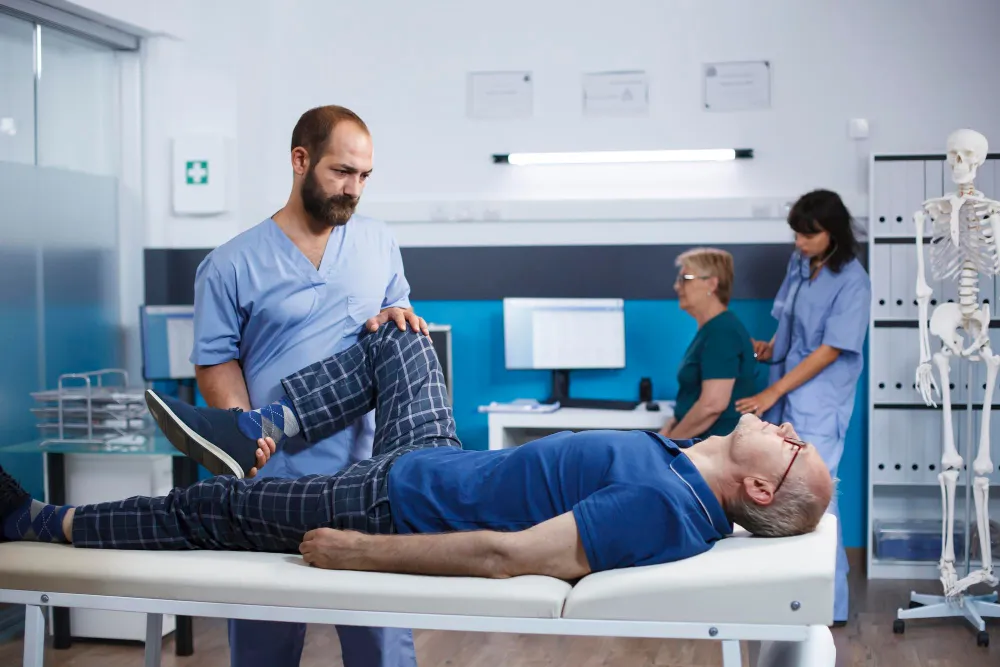
Because surgery carries inherent risks, including infection, prolonged recovery time, anesthesia complications, and the possibility that the procedure will not fully resolve the pain, many physicians recommend a trial of conservative care before considering an operation. This approach allows patients to test whether their body can heal through non-surgical means, without closing the door on surgery if it becomes necessary later.
Conditions Where Physical Therapy Frequently Helps Avoid Surgery
Several common conditions respond well to physical therapy and are often successfully managed without surgical intervention:
- Lower back pain: The majority of back pain cases improve with targeted exercise, manual therapy, and education on proper body mechanics, even when imaging shows disc degeneration or bulging.
- Rotator cuff tears: Depending on the size and location of the tear, many patients regain significant strength and function through a structured strengthening program.
- Knee osteoarthritis: Strengthening the muscles surrounding the knee joint can reduce pain and improve mobility, sometimes delaying or eliminating the need for joint replacement.
- Meniscus tears: Degenerative tears, in particular, often respond as well to physical therapy as they do to surgical repair.
- Tendinopathies: Conditions like tennis elbow, Achilles tendinopathy, and patellar tendinopathy typically improve with progressive loading exercises rather than surgical intervention.
In each of these cases, a physical therapist works closely with the patient to build strength gradually, improve flexibility, and correct movement patterns that may have contributed to the injury in the first place.
When Surgery Becomes the Right Choice
While conservative treatment is often the appropriate starting point, there are situations where surgery is genuinely the best or only option. These typically include:
- Complete ligament tears, such as a fully torn ACL in an athlete returning to high-demand sports
- Fractures that are unstable or improperly aligned
- Severe joint damage that has progressed beyond what strengthening and mobility work can address
- Nerve compression causing progressive weakness, numbness, or loss of function
- Cases where a structured trial of physical therapy has not produced meaningful improvement after several weeks or months
In these situations, surgery is not a failure of conservative care but rather the appropriate next step in a comprehensive treatment plan. Even then, physical therapy typically plays an essential role before and after the procedure, helping patients build strength ahead of surgery and guiding them through a safe, effective recovery afterward.
How a Physical Therapist Helps You Decide
One of the most valuable aspects of working with a physical therapist is the ongoing assessment they provide throughout your treatment. Rather than committing to a single approach and hoping for the best, a good therapist continually evaluates your progress, adjusts your program based on how your body responds, and communicates with your physician if surgical consultation becomes necessary.
This collaborative approach means you are never locked into one path. If conservative treatment is working, you continue building strength and function. If it becomes clear that surgery offers a better long-term outcome, your therapist and physician can guide that transition with a clear picture of what has already been tried and how your body has responded.
The Value of Starting Conservative
Choosing physical therapy first, when medically appropriate, offers several practical advantages. It typically costs less than surgery, involves little to no downtime from work or daily activities, and carries minimal risk of complications. Even for patients who ultimately do need surgery, entering the procedure with better strength, mobility, and body awareness often leads to a smoother, faster recovery.
Perhaps most importantly, physical therapy empowers patients to actively participate in their own healing. Rather than passively waiting for a procedure to fix the problem, patients learn how their bodies move, what triggers their symptoms, and how to prevent future injury. These skills carry forward long after treatment ends, reducing the likelihood of recurring pain or reinjury.
Making the Right Decision for You
There is no universal answer to whether physical therapy or surgery is the right choice. The decision depends on the specific diagnosis, the severity of the condition, your overall health, your activity goals, and how your body responds to conservative treatment. What matters most is having an honest, informed conversation with your healthcare team about all the options available to you.
If you are weighing your options after an injury or diagnosis, consider starting with a consultation to explore whether conservative care might be right for you. The team at ActivePT and Sports can help evaluate your condition and build a personalized plan designed to help you move, function, and feel better, whether that means avoiding surgery entirely or preparing your body for the best possible outcome if surgery does become necessary.